Dancing Through Creativity with a Unique Handwritten Font
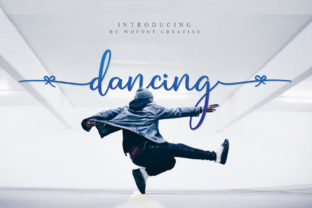
In the world of design and typography, the right font can make all the difference. Among the many options available, Dancing stands out as a unique handwritten font that brings a personal touch to any creative project. Whether you're designing a logo, crafting a marketing campaign, or simply adding flair to a document, Dancing offers a distinctive style that captures attention and conveys emotion.
This font is not just about aesthetics; it's about storytelling. The fluid, cursive strokes mimic the movement of dance, giving each letter a sense of rhythm and grace. This makes Dancing particularly effective for projects that aim to evoke feelings of joy, elegance, or spontaneity. Its versatility allows it to be used in both digital and print formats, making it a valuable asset across various industries.
The Characteristics of Dancing
One of the most notable features of Dancing is its organic, hand-drawn appearance. Unlike standard typefaces that are often rigid and uniform, this font has a natural flow that feels more like a personal signature than a generic text. The varying stroke widths and subtle imperfections give it an authentic, human quality that can add depth to any visual composition.
Another key characteristic is its legibility. Despite its artistic nature, Dancing maintains a level of clarity that makes it suitable for a wide range of applications. It works well in both large headings and smaller body text, provided the context is appropriate. However, it's important to note that its ornate details may not be ideal for long paragraphs, where readability could be compromised.
The font also includes a range of stylistic alternates, allowing users to customize the look based on their needs. These variations can help create a more personalized feel, making Dancing adaptable to different design styles and themes.
Applications of Dancing in Creative Projects
Dancing finds its place in a variety of creative fields, from branding and advertising to social media and personal projects. In the realm of branding, it can be used to create eye-catching logos that reflect a brand's personality. For instance, a boutique clothing line might use Dancing to convey a sense of whimsy and individuality, while a luxury event planner could use it to evoke sophistication and elegance.
In advertising, Dancing can be employed to draw attention to key messages or slogans. Its dynamic shape helps break up monotony, making it ideal for headlines and call-to-action elements. When paired with bold colors or contrasting backgrounds, it can create a striking visual impact that resonates with audiences.
Social media platforms also benefit from the use of Dancing. Many creators use it to craft engaging captions, profile names, or promotional graphics. Its expressive nature aligns well with the informal and creative tone of these platforms, helping users stand out in a crowded digital space.
Benefits of Using Dancing
One of the primary advantages of Dancing is its ability to convey emotion through typography. The font’s flowing lines and delicate details can communicate a sense of warmth, playfulness, or refinement, depending on how it's used. This emotional resonance can enhance the overall message of a design, making it more relatable and memorable.
Another benefit is its uniqueness. In a world where many designs rely on common fonts, Dancing offers a fresh and original alternative. This can be especially valuable for businesses or individuals looking to differentiate themselves from competitors. By using a less conventional typeface, they can create a stronger brand identity that sets them apart.
Additionally, Dancing can be a great tool for educators and students. In educational materials, it can be used to make content more visually engaging, particularly in subjects that require creativity or storytelling. Its handwritten style can also help make learning more approachable, especially for younger audiences who may find traditional fonts less inviting.
Considerations When Using Dancing
While Dancing has many strengths, there are some considerations to keep in mind. One of the main challenges is ensuring that it complements the overall design rather than overpowering it. Because of its intricate details, it may not work well in minimalist or high-contrast layouts, where simplicity is key.
Another consideration is accessibility. While Dancing is readable in most cases, users with visual impairments may find it harder to decipher, especially in smaller sizes. Designers should test the font in different contexts to ensure it meets the needs of all audiences.
Finally, it's important to consider the platform or medium where Dancing will be used. Some digital environments may not support all font features, which could affect how the text appears. Always check compatibility before finalizing a design.
Integrating Dancing into Your Workflow
For designers and developers, integrating Dancing into their workflow can be a straightforward process. Most design software, such as Adobe Illustrator, Photoshop, or Figma, supports custom fonts, allowing users to easily apply Dancing to their projects. When selecting a font, it's essential to choose a version that includes all necessary glyphs and stylistic options to maximize its potential.
When working with clients or collaborators, it's helpful to provide examples of how Dancing can be used effectively. This can include mockups, sample text, or even a brief guide on best practices. Clear communication ensures that everyone involved understands the font's strengths and limitations.
For those new to typography, experimenting with Dancing can be a rewarding experience. Trying it in different contexts—such as posters, websites, or social media posts—can help uncover its full range of possibilities. The goal is to find a balance between creativity and functionality, ensuring that the font enhances rather than hinders the message.
The Future of Handwritten Typography
As technology continues to evolve, the role of handwritten fonts like Dancing is becoming increasingly significant. With the rise of digital art, AI-generated content, and personalized branding, there's a growing demand for fonts that bring a human element to design. Dancing exemplifies this trend, offering a bridge between the mechanical precision of digital tools and the organic charm of handcrafted typography.
Looking ahead, we may see more fonts that blend traditional craftsmanship with modern capabilities. This could lead to even greater customization options, enhanced accessibility features, and broader compatibility across devices. As the design landscape continues to shift, fonts like Dancing will remain relevant for their ability to connect with audiences on a deeper, more personal level.